
Why Thane Individuals Residing in Areas Prone to Danger from Wildlife Are Applying for Gun License
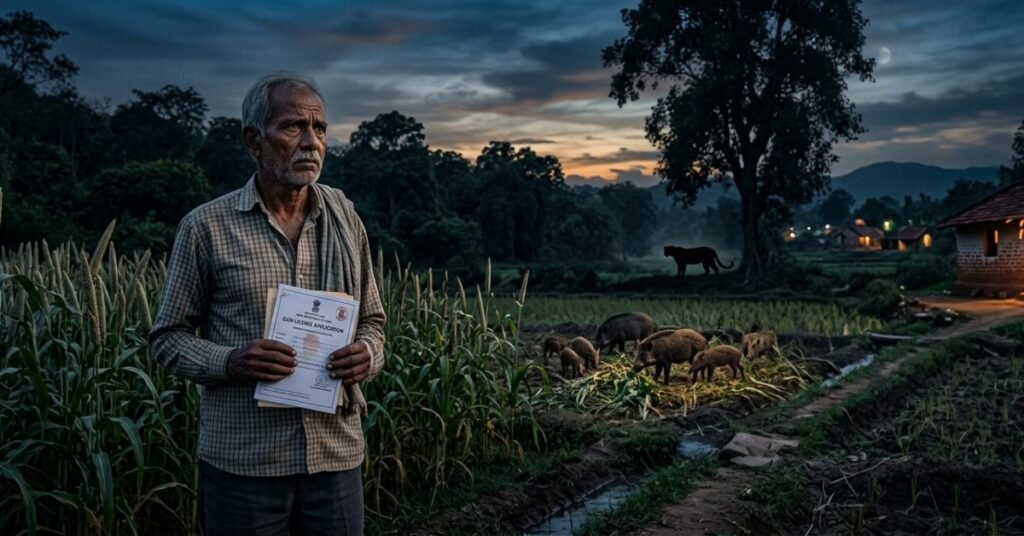
Summary: In and around Nashik, living near agricultural lands and forest-connected areas has become a growing safety concern for many families. Frequent encounters with wild animals such as wild boars and leopards are affecting farms, livestock, and residential zones. As these incidents continue to rise, many residents are exploring legal self-protection options through licensed firearms. This blog explains why individuals in Nashik are applying for gun licenses, the legal process involved, and how responsible firearm ownership can help ensure safety while remaining compliant with Indian law. In the outskirts of Nashik, particularly in farming belts and areas close to forest zones, residents often face unexpected wildlife activity. Farmers frequently deal with crop damage caused by wild boars, while some regions have reported leopard sightings near villages and residential spaces. What was once an occasional issue has now become a recurring challenge, impacting both livelihoods and personal safety.As Nashik continues to grow while remaining closely connected to natural and forested landscapes, human-wildlife interactions are increasing. For many residents in vulnerable areas, the risks are immediate and difficult to ignore. This has led to a growing interest in obtaining a gun license in Nashik not as an aggressive measure, but as a lawful and responsible step toward self-protection, making it important to understand the legal process and requirements involved. Why Demand for Gun License Is Rising in Wildlife Areas Increasing wildlife intrusion into villages and farms Rising crop destruction and livestock attacks Delayed emergency response in remote locations Growing need for lawful self-defense options Awareness about legal firearm ownership in Nashik Why Wildlife Encounters Are Increasing in Nashik 1. Deforestation and Habitat Loss Rapid urbanization and industrial development have reduced forest cover. Animals are forced to move closer to human settlements in search of food. 2. Expansion of Human Settlements Villages and towns are expanding into forest boundaries, increasing human-animal interaction zones. 3. Crop Attraction Crops such as sugarcane, maize, and fruits attract animals like wild boars and monkeys, leading to repeated farm invasions. 4. Climate Change Impact Irregular rainfall and food shortages in forests are pushing wildlife toward human habitats. 5. Rising Leopard and Wild Boar Incidents Regions like Maharashtra, Madhya Pradesh, and Himachal Pradesh have seen increased leopard sightings and wild boar attacks. Types of Wildlife Threats Faced by Residents Wild Boars Destroying Crops Farmers across rural forest regions frequently report crop losses due to wild boars. These animals can wipe out entire fields overnight. Leopards Entering Villages Leopard sightings in Maharashtra and Uttarakhand have become more common, especially near forest-adjacent villages. Elephant Attacks In Assam and Kerala plantation belts, elephant movement causes large-scale destruction and poses life-threatening risks. Snake-Prone Areas Many rural regions face frequent snake encounters, especially during monsoon season. Hyena and Wolf Threats In parts of Madhya Pradesh and Rajasthan, these predators pose risks to livestock and sometimes humans. Monkey Menace Monkeys often destroy crops and create chaos in farms across Himachal Pradesh and urban-fringe villages. Night-Time Attacks Most wildlife movement happens at night, when residents are most vulnerable and help is far away. Why People Are Applying for Gun License in Nashik Personal Safety: People living near forests face real threats. A gun license for self protection provides a lawful means of defense. Family Protection: Protecting children and elderly family members is a major concern in remote areas. Crop and Livestock Protection: Farmers rely on their land for survival. Repeated wildlife attacks can destroy livelihoods. Delayed Emergency Response: Police or forest authorities may take time to reach remote villages, making immediate self-defense crucial. Psychological Security: Having a licensed firearm provides a sense of safety and preparedness. Legal Preparedness: A wildlife protection gun license ensures individuals are legally protected while safeguarding themselves. Is Wildlife Threat a Valid Reason for Gun License in Nashik? Under the Arms Act in India, firearm ownership is strictly regulated. A firearm license in Nashik is granted based on valid justification, and threat perception plays a crucial role. Key Considerations: Wildlife threat can be considered a supporting reason Final decision lies with the licensing authority Police verification is mandatory Strong documentation increases approval chances Approval is not automatic A well-documented case showing genuine risk from wild animals significantly strengthens the application. Documents That Strengthen Your Application To improve chances of approval, applicants should provide: FIR copies (if any wildlife-related incidents occurred) Wildlife or forest department reports Letters from local authorities or village heads Proof of agricultural land ownership Evidence of crop damage Identity and address proof Any documented history of threats Which Firearms Are Generally Allowed in Nashik? In Nashik, civilians are allowed to own firearms under strict legal categories. Key Points: Only specific categories of firearms are permitted Licensing is mandatory under Indian law Usage is strictly for lawful purposes Safe storage is a legal responsibility Misuse can lead to severe penalties Understanding firearm laws in Nashik is essential before applying. Challenges Faced During Gun License Application Complex Documentation: Many applicants struggle with gathering proper documents. Police Verification Delays: Verification can take time, especially in rural areas. Eligibility Confusion: Many people are unaware of gun license eligibility Nashik criteria. Improper Application Drafting: A poorly drafted application reduces approval chances. Lack of Legal Awareness: Understanding the legal process is often difficult without guidance. Why Professional Guidance Makes a Difference Applying for an arms license in Nashik is not just about filling a form, it requires strategy, documentation, and legal clarity. A professional gun license consultant can help with: Accurate documentation preparation Eligibility assessment Application drafting Legal guidance End-to-end support With increasing complexities in the licensing process and strict legal requirements, expert guidance has become essential. India Arms License assist applicants in navigating the process smoothly and improving their chances of approval. Ensuring Safety Through Legal Protection and Responsible Firearm Ownership The growing interaction between humans and wildlife is no longer a distant concern it is a daily reality for many families living near forests. What begins as crop damage can quickly turn into a serious safety threat, affecting livelihoods, peace of mind, and personal security.
How to Increase Arms License Approval Chances in Nagpur
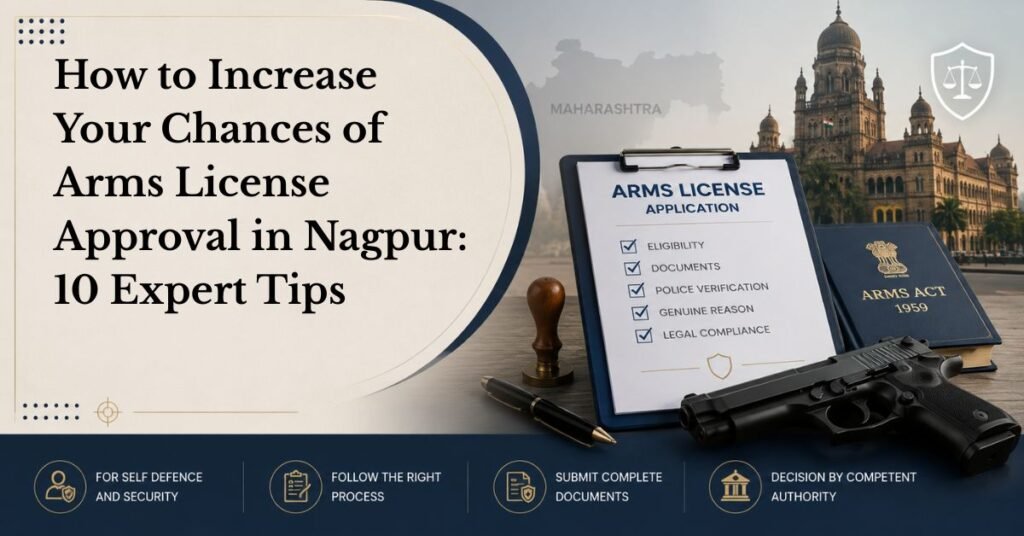
Summary: Applying for an arms license in Maharashtra requires more than simply submitting an application. Understanding the eligibility criteria, preparing accurate documentation, and following the prescribed legal process can help strengthen your application. This guide shares 10 expert tips to help genuine applicants avoid common mistakes and prepare a more complete, legally compliant application. Obtaining an arms license in Maharashtra is a legal process designed to balance an individual’s legitimate need for self-protection with public safety. Many applicants assume that submitting a completed application and the required documents is enough to secure approval. However, even genuine applicants may experience delays or rejection because of incomplete documentation, inconsistent information, weak supporting evidence, or failure to satisfy the licensing authority during scrutiny. If you are wondering how to increase your chances of arms license approval in Maharashtra, the key is understanding what the licensing authority evaluates and preparing your application carefully. While no applicant or consultant can guarantee approval, a well-prepared, truthful, and legally compliant application may improve your chances of a favorable outcome, subject to verification and the competent authority’s decision. How Arms License Approval Works in Maharashtra An arms license is governed by the Arms Act, 1959 and the Arms Rules, 2016. Applications are typically submitted through the NDAL-ALIS (National Database of Arms Licenses – Arms License Issuance System), after which they are examined by the competent licensing authority. Although procedures may vary depending on the applicant’s circumstances and jurisdiction, the process generally includes: Submission of the application through the prescribed process. Verification of identity and supporting documents. Police verification of residence and background. Assessment of the applicant’s stated reason for seeking an arms license. Review of eligibility under applicable law. Final decision by the competent licensing authority. Important Note Approval is never automatic. Every application is evaluated on its own merits, and the licensing authority exercises discretion in accordance with the Arms Act, applicable rules, and relevant government guidelines. Why Many Arms License Applications Get Rejected Many applicants focus only on completing the application form while overlooking important legal and procedural requirements. Even small mistakes can delay the process or result in rejection. Some common reasons include: Incomplete documentation Incorrect or inconsistent personal information Weak or unsupported justification Failure to meet eligibility requirements Negative police verification Address inconsistencies across documents Missing supporting evidence Poor-quality document uploads Previous legal issues that require disclosure Incomplete application forms Common Mistakes vs Better Approach Common Mistake Better Approach Submitting incomplete documents Verify every required document before submission Giving a vague reason Provide a truthful, specific reason supported by relevant evidence where applicable Different addresses on documents Ensure consistency across all records Uploading blurred scans Use clear, readable copies Ignoring police verification Cooperate fully and provide accurate information Hiding relevant information Make truthful disclosures wherever required Preparing a complete application from the beginning often helps reduce avoidable delays. 10 Expert Tips to Improve Your Chances of Arms License Approval 1. Understand Whether You Meet the Eligibility Requirements Before beginning the application process, carefully review the applicable eligibility requirements. Applicants should ensure they satisfy the legal criteria prescribed under the Arms Act and relevant rules before investing time in preparing an application. Why This Matters Submitting an application despite not meeting basic eligibility requirements can lead to unnecessary delays and rejection. Helpful Checklist ✔ Review current eligibility criteria. ✔ Understand whether your circumstances support your application. ✔ Ensure you satisfy all applicable legal requirements. 2. Provide a Genuine and Well-Documented Reason One of the most important parts of any arms license application in Maharashtra is explaining why you require an arms license. The licensing authority generally considers whether the stated reason is genuine, specific, and supported by available documentation where applicable. Examples of legitimate circumstances may include: Business owners handling valuable goods or significant cash transactions Jewellers Farmers facing documented security concerns Security professionals Individuals with legally recognized self-protection concerns Best Practices Explain your circumstances honestly. Avoid exaggerated claims. Attach supporting documents where appropriate. Ensure your explanation is consistent with your occupation and records. Common Mistakes Copying generic statements. Providing vague explanations. Making unsupported claims. 3. Submit Complete and Accurate Documentation Documentation plays a crucial role in the verification process. Missing or inconsistent documents often lead to objections and additional queries. Although document requirements vary, applicants commonly need: Identity proof Address proof Recent passport-size photographs Occupation-related documents Business documents where applicable Supporting documents relevant to their circumstances Other certificates required by the licensing authority Expert Recommendation Create a checklist before submitting your application to ensure nothing is overlooked. 4. Write a Clear and Honest Reason Statement Many applicants underestimate the importance of the written explanation accompanying their application. A strong statement should be: Truthful Clear Specific Consistent with the supporting documents Easy to understand Rather than using emotional language or exaggerated claims, explain your circumstances factually. Avoid Generic internet templates False information Contradictory statements Unsupported claims Honesty and consistency are always better than lengthy explanations. 5. Prepare Properly for Police Verification Police verification is an important stage of the approval process. During verification, authorities may confirm: Your identity Your residential address Background information Character verification Information relevant to your application Tips for Applicants Cooperate respectfully during verification. Provide accurate information. Ensure your address records are up to date. Keep original documents readily available if requested. Attempting to provide misleading information can negatively affect the application process. 6. Ensure All Information Matches Across Documents One of the most overlooked issues is inconsistency between documents. Even small differences in spelling or addresses may require clarification. Check consistency across: Full name Date of birth Residential address Identity documents Occupation details Business records Review every document carefully before submission. 7. Disclose Relevant Information Honestly Transparency is essential throughout the application process. Where the application requires disclosure of relevant information, provide accurate and truthful responses. Failure to disclose required information may create complications during verification. If you are uncertain about what should be disclosed, seek procedural clarification before submitting your application. 8. Keep Supporting Documents Organized A well-organized application
Should Women Apply for Gun Licence as a Part of Safety in Nashik?

Summary: Choosing whether to apply for a gun licence for safety in Nashik is a serious decision that depends on individual needs, legal eligibility, and responsibility. While a firearm can be considered in certain high-risk situations, it is not the right solution for everyone. This guide helps women understand when it makes sense, the legal process involved, and alternative safety measures. By taking an informed and balanced approach, you can choose the safest and most practical option for your situation. Women’s safety is a serious concern for many households in Nashik, especially for those who travel late, live alone, run businesses, or handle high-value work. In that context, many people ask a direct question: should women apply for gun licence as a part of safety in Nashik? The honest answer is yes, in some situations it may be considered but it is not the right solution for every woman. Under the Arms Act, a person may not acquire, possess, or carry a firearm without a licence, and the application form specifically includes “self-protection” among the purposes an applicant may state. The most important point is this: a gun licence is not a shortcut to safety. It is a legal responsibility that requires eligibility, verification, and a clear reason. In Nashik, the licensing process is tied to official forms, police verification, and authority review, so approval depends on the facts of each case. Why some women consider a gun licence for safety Some women consider a gun licence because they want a lawful means of protection in situations where they feel exposed, such as late-night travel, solo living, frequent cash handling, family business work, or repeated threats. The law does allow applicants to state self-protection as a reason for a licence, which is why the idea comes up often in safety discussions. There is also a practical reason: many women do not want to rely only on chance, public vigilance, or delayed response in an emergency. For them, a gun licence feels like a serious, legal step toward preparedness. But preparedness is not the same as suitability. A firearm only makes sense if the applicant is willing to train, store it responsibly, and follow every legal condition attached to the licence. When a gun licence may be worth considering A gun licence may be worth considering when a woman has a genuine, defensible need and understands the responsibility involved. For example, this may be relevant for someone who regularly travels with significant cash, manages a business with security concerns, or faces documented threats. The law leaves room for the licensing authority to assess whether the applicant has a “good reason” and whether the facts justify a licence. It may also make sense for women who are already safety-conscious, disciplined, and ready for the ongoing obligations that come with a licence. The legal process is not just about getting approval; it is about continuing to comply with the law after approval. That includes storage, transport, and safe use. When it may not be the best option A gun licence may not be the best option if the main concern is general fear rather than a real, specific risk. It may also be unsuitable for someone who is uncomfortable with firearms, not ready for training, or unable to maintain strict responsibility. The licensing authority can refuse a licence if it believes the applicant is unfit or if public safety concerns exist. It is also important to remember that a gun licence does not remove danger by itself. It does not replace safe travel habits, strong locks, emergency contacts, self-defense training, secure routines, or workplace safety planning. For many women, those measures may offer better day-to-day protection than a firearm. That is why the decision should be practical, not emotional. What the law says about gun licence purposes The Arms Act requires that a person cannot acquire, possess, or carry a firearm without a licence issued under the law and rules. The application form also asks the applicant to clearly state the purpose for which the licence is required, including self-protection. In Nashik’s forms, “Self Protection / Sports / Property Protection” appears as the reason for sanction of the arm licence. The licensing authority must call for a police report, conduct any inquiry it considers necessary, and then either grant or refuse the licence in writing. The law also states that the authority may refuse a licence if it believes the person is prohibited, unfit, or if public peace and public safety require refusal. So approval is never automatic. How to apply for an arms licence in Nashik In Nashik, arms-licence related services are handled through official state systems and police forms. The Nashik Police portal provides downloadable arms licence forms, and the state’s Aaple Sarkar service page lists “NOC Arms License Verification” with a 21-day time limit. The process involves application review, police verification, and status tracking. A simple way to understand the process is this: submit the correct form, state the reason clearly, attach the required documents, and wait for verification and authority review. Because the process is governed by law, any missing detail, unclear purpose, or incomplete record can slow down the application or lead to refusal. Documents, eligibility, and process The legal form asks for the applicant’s details, the type of licence sought, the area where arms may be carried, the place where the arms will be kept, and the purpose of the licence. It also indicates that applicants should clearly mention the reason, such as self-protection. In practice, the licensing authority will look closely at identity details, address details, reason, and supporting documents. The Arms Act also sets baseline restrictions. For example, a person under 21 cannot acquire, possess, or carry a firearm, subject to the statutory exceptions in the law. The authority can also refuse applicants who are prohibited by law, of unsound mind, or otherwise unfit. So eligibility is both legal and practical. Gun Licence vs Other Personal Safety Options: What Should You Choose? When thinking
Returning NRI Who Owned Weapons Abroad Are Now Applying For Gun License In Nagpur
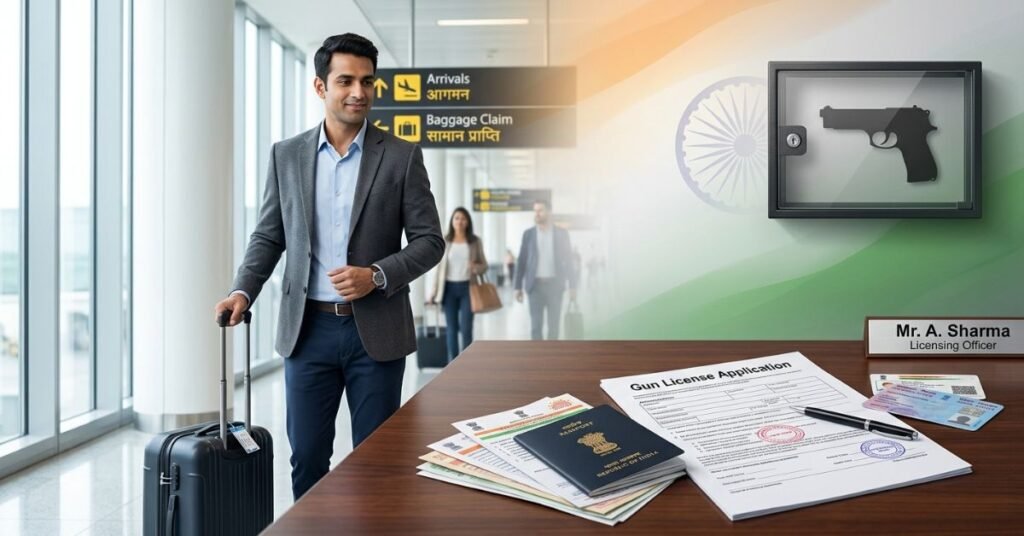
Summary: Returning NRIs who owned firearms abroad often assume the process of getting a gun license in Nagpur will be straightforward but the reality is very different. Indian laws focus on eligibility, documentation, and verification rather than past ownership. This blog breaks down the complete process, key requirements, and common challenges to help you avoid delays. If you’re planning to apply, understanding the right approach from the start can significantly improve your chances of approval. When returning NRIs settle back in Nagpur after years abroad, many assume that prior legal firearm ownership will simplify getting a gun license here. In reality, the Indian licensing system follows a completely different framework one that prioritizes eligibility, documented need, police verification, and the discretion of the licensing authority over past ownership history. This creates a gap between expectation and reality, leaving many applicants unsure about where they stand or how to proceed correctly. This blog is designed to bridge that gap with a clear, compliance-first approach. It breaks down what returning NRIs, OCI holders, and families dealing with inherited firearms truly need to know from eligibility and documentation to common mistakes and practical next steps. Whether you’re exploring your options or preparing to apply, this guide will help you understand the process with clarity and confidence while avoiding costly delays or rejections. Why Returning NRIs Are Asking About Gun Licenses in Nagpur Many returning NRIs search for gun license information after settling back in Nagpur for a few practical reasons. Some want personal and family security. Others are entering business, real estate, or high-risk professions where they feel a licensed firearm may be relevant. In many families, the issue comes up because of inheritance, legacy property, or older firearms that were once used legally abroad. There is also a common misconception that a prior foreign license helps in Nagpur, which is rarely the case. The search intent behind this topic is usually not just legal. It is emotional, practical, and urgent. People want to know what is possible, what is allowed, what documents are needed, and how to avoid rejection. Can a Returning NRI Apply for a Gun License in Nagpur? Short answer: yes, in some situations, but the outcome depends on eligibility under Indian law. A returning NRI who is an Indian citizen can generally apply through the normal Indian licensing route once they establish residence in Nagpur and meet the required criteria. However, the licensing authority will still examine the application on its own merits. The key point is this: previous ownership abroad is background information, not automatic approval. For the authority, the main questions are: Is the applicant legally eligible? Is the application complete? Is the reason for the firearm credible? Does police verification support the claim? Are the documents consistent and verifiable? If the answer to any of these is weak, the case can be delayed or refused. NRI vs OCI vs Indian Citizen: What Changes in the Licensing Route? Important distinction: this is one of the most misunderstood parts of the process. Returning NRIs, OCI holders, and Indian residents may not be treated the same way. Their route can differ depending on citizenship, residence, and the purpose of the application. Returning NRI A returning NRI who is an Indian citizen may apply as a resident once settled in Nagpur. The process is still document-heavy and verification-based. OCI Applicant OCI applicants usually face stricter scrutiny. The exact position can depend on current rules, local authority practice, and the nature of the request. Many applicants in this category need careful case evaluation before filing. Indian Resident Applicant An Indian resident citizen generally follows the standard route, but approval is still based on necessity, verification, and local authority satisfaction. The better your status is documented, the smoother the process becomes. Confusion about category often causes application delays more than anything else. What Official Factors Matter Most in Approval? Summary: the authority wants clarity, credibility, and compliance. A gun license application is not assessed only on identity. The authority usually looks at several practical factors before deciding. These often include: The applicant’s legal status and address Background verification and police report The stated reason for needing a firearm Any history of criminal, civil, or security-related concerns Local conditions and jurisdiction-specific rules Completeness of the application and supporting documents A strong application does not try to sound dramatic. It sounds organized, honest, and well-supported. Documents Usually Required for an Application Tip: incomplete documents are one of the most common reasons applications get stuck. While requirements can vary by state and authority, a returning NRI usually needs a set of basic documents such as: Proof of identity Proof of Indian address Proof of citizenship or residency status Passport and immigration-related records Recent photographs Reason statement or justification for the firearm Income, business, or occupation proof if relevant Supporting documents for security concern, property, or inheritance cases Any medical or fitness-related documents required by the authority If any document contains a mismatch in name, address, or timeline, the application can slow down quickly. Step-by-Step Process to Apply for a Gun License in Nagpur Overview: follow the process in order, and do not skip steps. 1) Check eligibility First, confirm whether the applicant is eligible under current Indian rules. This matters especially for returning NRIs and OCI cases. 2) Prepare documents Collect all identity, residence, and supporting documents before filing. 3) Fill the application accurately The application should match all supporting records. Even minor mismatches can cause delays. 4) Submit the application through the official route Depending on the state and licensing system, the application is filed through the relevant official channel. typically via the NDAL-ALIS (National Database of Arms Licenses) portal. Applicants should ensure all details are correctly entered and documents are properly uploaded to avoid delays in processing. 5) Police verification This is one of the most important stages. The local verification report often influences the final decision. 6) Authority review The licensing authority reviews the application, reason, and verification inputs. 7) Decision
Police Verification for Arms License in Nagpur: Complete Guide
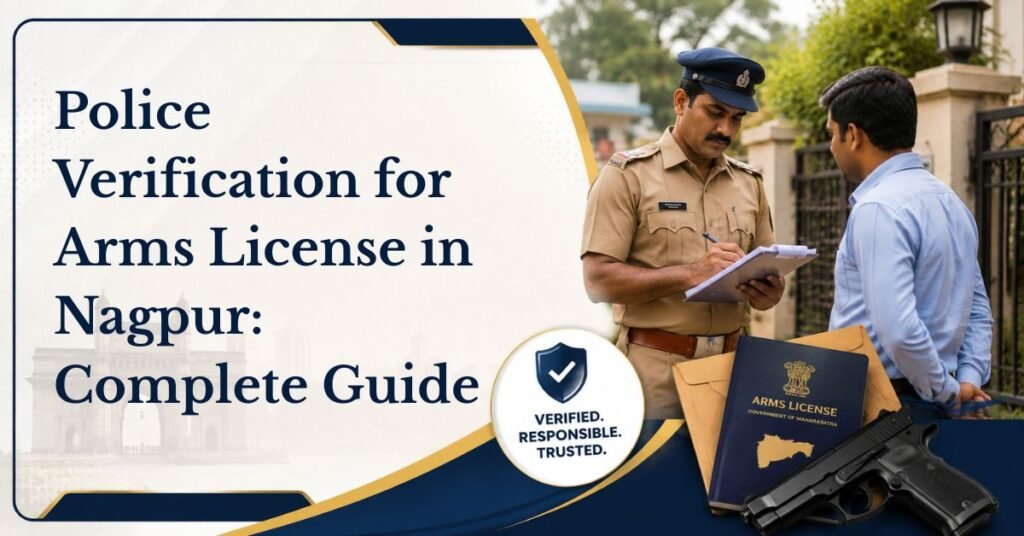
Summary: This guide covers the complete police verification process for an arms license in Nagpur, including step-by-step procedures, required documents, timelines, and what to expect during verification. It also explains common reasons for delays or rejection and provides practical tips to help you successfully clear this crucial stage. Police verification is one of the most critical stages in obtaining an arms license in Nagpur. While submitting the application is relatively straightforward, the verification process plays a decisive role in determining whether an applicant is eligible to legally possess a firearm. It acts as the final checkpoint where authorities assess your overall credibility and responsibility. A strong verification outcome can significantly speed up the approval process. This step is designed to ensure public safety by evaluating the applicant’s background, intent, and overall suitability. Many applications face delays or rejection due to incomplete documentation, unclear purpose, or unfavorable verification reports. Even small inconsistencies can raise concerns during the assessment. Understanding how this process works and preparing accordingly can greatly improve your chances of approval. What is Police Verification for an Arms License? Police verification is an official background check conducted by local law enforcement to assess whether an applicant is eligible to hold a firearm license. It involves: Verification of identity and residence Criminal background checks Assessment of personal conduct and reputation Evaluation of the applicant’s stated purpose This step ensures that firearms are only issued to individuals who meet legal and safety standards. Why is Police Verification Mandatory in Nagpur? Police verification is not just a procedural formality—it is a legal requirement designed to maintain public safety and responsible firearm ownership. Key reasons include: Criminal Background Screening: Ensures the applicant has no serious criminal history Identity Confirmation: Validates personal and residential details Public Safety Assurance: Prevents misuse of firearms Assessment of Genuine Need: Verifies whether the applicant has a valid reason Step-by-Step Police Verification Process for Arms License Step 1: Submission of Application The process begins with submitting an arms license application either online or offline. Applicants must provide accurate information and attach all required documents. Step 2: Document Scrutiny Once submitted, authorities review the application and documents to ensure everything is complete and accurate. Any mismatch or missing information can cause delays. Step 3: Local Police Verification The local police station conducts the primary verification. This includes visiting the applicant’s residence, interacting with the applicant, and making inquiries in the neighborhood to assess reputation and conduct. Step 4: Criminal Background Check Police authorities check for any criminal history, pending cases, or past involvement in unlawful activities. Even minor discrepancies can affect the outcome. Step 5: Submission of Verification Report After completing the verification, the police prepare a report and submit it to the licensing authority. This report includes observations and recommendations. Step 6: Final Decision Based on the police report and application details, the licensing authority makes the final decision. The application may be approved, rejected, or sent back for additional clarification. Documents Required During Police Verification Before attending police verification, make sure you have all the documents required for an arms license in Nagpur ready to avoid unnecessary delays in the approval process. Identity proof (such as Aadhaar Card and PAN Card) Address proof to confirm residence Passport-size photographs Income proof to establish financial stability Supporting documents justifying the need for a firearm Character certificate (if required based on profile) Medical certificate (if applicable depending on the applicant) Note: Document requirements may vary depending on the applicant’s category and latest government guidelines. What Happens During the Police Verification Visit? During the verification visit, police officers typically confirm the applicant’s residential address and verify whether the individual actually resides there. They may also speak with neighbors to gather feedback about the applicant’s behavior and reputation. Officers often assess the applicant’s occupation, family background, and overall lifestyle. In addition, they may ask questions about how the firearm will be used and stored safely. To prepare for this visit, applicants should keep all documents ready, ensure their address details are accurate, inform family members in advance, and be clear about their purpose for applying. Common Questions Asked During Police Verification Applicants should be prepared to answer questions such as: Why do you need an arms license? What is the intended use of the firearm? Have you ever been involved in any criminal case? Where will you store the firearm safely? What is your profession? Clear, honest, and consistent answers are essential. Common Reasons for Arms License Rejection Understanding rejection reasons can help applicants avoid mistakes. Criminal History: Any serious offense can lead to immediate rejection False Information: Misrepresentation results in disqualification Negative Police Report: Adverse findings during verification Lack of Genuine Need: Weak or unsupported purpose Security Concerns: Risk to public safety Your Next Step Toward a Hassle-Free Arms License Police verification is the backbone of the arms license approval process in Nagpur, ensuring that only responsible and law-abiding individuals are granted the right to possess firearms. From document verification to background checks, every step plays a crucial role in determining the final outcome. Being well-prepared, maintaining accurate records, and cooperating with authorities can significantly improve your chances of a smooth and successful approval. Navigating this process can be complex, which is why many applicants choose to consult an experienced arm and gun license consultant in Nagpur for proper guidance. For those looking for reliable support throughout the application and verificaarmtion stages, India Arms License offers end-to-end assistance to help ensure accuracy, compliance, and faster processing. Get expert guidance today and take the first step toward a hassle-free arms license approval process. Frequently Asked Questions (FAQs) How long does police verification for an arms license take in Nagpur? Police verification usually takes 2 to 8 weeks, depending on location, document accuracy, and police workload. Delays can occur if additional inquiries or clarifications are required. What should I do if my police verification is delayed? You should follow up with your local police station or licensing authority. In many cases, delays happen due to
Top Reasons to Apply for a Gun License Legally in Mumbai

Summary: This guide is for individuals in Mumbai who are considering applying for a gun license for valid reasons, such as personal safety or professional requirements, but want clear and reliable guidance before starting the process. The licensing process involves strict checks and careful evaluation, which is why understanding its purpose and value beforehand can help you avoid confusion, make better decisions, and approach your application with more clarity. Imagine being in a situation where your safety depends on how prepared you are. In Mumbai, firearm ownership is not something that’s taken lightly. It’s strictly regulated, carefully evaluated, and granted only when there is a genuine and justified need. That’s what makes a gun license more than just a legal document; it becomes a symbol of responsibility, credibility, and preparedness. Not everyone qualifies, and that’s exactly what makes it valuable. Whether you’re dealing with security concerns, managing high-risk responsibilities, or living in areas where immediate help may not always be available, a legally approved firearm offers something more than protection; it offers lawful confidence backed by authority. Why Legal Gun Licensing Holds Real Value in Mumbai 1. Verified Need, Not Just Ownership A gun license in Mumbai is issued only after careful and detailed evaluation of your situation. Authorities examine your personal safety concerns, professional exposure, and living environment before considering approval Your application is reviewed to ensure there is a genuine and reasonable need, not just a preference for ownership Background verification helps confirm your intent, history, and credibility The approval itself becomes an official acknowledgment of your need for protection, not just permission This makes the license meaningful; it’s granted based on justification, not assumption. 2. You Stay Within a Strong Legal Framework Legal firearm ownership ensures you are protected within a structured and monitored system. The process includes police verification, background checks, and document validation to ensure transparency You are required to follow clear legal guidelines, renewal timelines, and usage conditions Your firearm and license remain traceable and legally recognized at all times Regular compliance helps you avoid unexpected legal complications during inspections or checks Being within the system gives you long-term legal security and peace of mind. 3. Legal Protection When It Matters Most In any situation involving a firearm, legality becomes the most important factor. A valid license helps establish that your possession is authorized and lawful In self-defense scenarios, it strengthens your position by showing legal intent and compliance Proper documentation reduces the risk of being misinterpreted as unlawful or negligent It ensures that your case is evaluated within a legal framework rather than suspicion In critical moments, being legally covered can significantly influence outcomes. 4. Essential for High-Risk Situations Certain individuals and professions naturally face higher exposure to risk. Useful for people handling cash transactions, valuables, or sensitive business operations Provides an added layer of safety in areas where immediate police response may not be quick Acts as a visible deterrent, reducing the likelihood of targeted threats Helps individuals feel more prepared and confident in unpredictable situations Preparedness is not just about action; it’s about reducing vulnerability. 5. Encourages Responsible and Disciplined Usage Legal ownership comes with strict responsibilities that promote safe handling. Requires following secure storage practices to prevent misuse or unauthorized access Includes clear rules on where, when, and how a firearm can be used Encourages a mindset of discipline, awareness, and accountability Reduces the chances of accidents, misuse, or legal violations These responsibilities are what make legal ownership safe and sustainable. 6. Simplifies Renewals and Future Processes Once you are part of the legal system, managing your firearm license becomes more structured and easier over time. Renewal procedures follow a clear and defined process, making them easier to complete on time You can update details like address, area validity, or license conditions without complications Maintaining a valid license helps you avoid penalties or legal risks due to expiry A consistent compliance record builds a smooth history with authorities Starting correctly ensures fewer complications and a more predictable process in the future. 7. Builds Credibility and Trust Legal firearm ownership reflects responsibility and strengthens how you are perceived in regulated environments. A valid license shows transparency and adherence to the law Helps you pass through official checks and verifications smoothly Positions you as a responsible and law-abiding individual Reduces the chances of being questioned or flagged unnecessarily Over time, this credibility becomes an advantage, ensuring your actions are viewed with trust rather than doubt. Who Should Consider Applying for a Gun License? In Mumbai, a gun license is granted only when there is a specific, demonstrable need for self-defense or protection, and not for general safety or personal preference. Authorities assess whether the applicant faces a real and identifiable risk based on their circumstances. Individuals facing documented or ongoing threats to life or property, where police protection alone may not be sufficient Business owners or traders involved in regular handling or transportation of cash, bullion, jewellery, or other high-value goods Professionals whose work involves frequent travel, remote operations, or exposure to vulnerable environments Individuals residing in isolated locations or areas with limited immediate law enforcement accessibility The key consideration is whether the applicant can demonstrate a genuine, risk-based need supported by facts or circumstances, rather than a general desire for precaution. Eligibility Criteria for Gun License in Mumbai Arms licenses in Mumbai are granted under strict scrutiny, where both legal eligibility and the applicant’s necessity for self-defense are carefully evaluated by the licensing authority. The applicant must be legally permitted under the Indian Arms Act, 1959, and not fall under any category of prohibited persons Must be of sound mind and physically capable of safely handling and maintaining a firearm Should have no criminal background, pending serious cases, or adverse police records that may raise security concerns A clear and specific need for self-defense or protection must be demonstrated with reasonable justification The application is subject to detailed police verification, local inquiry, and character assessment by authorities Final approval is
Should Women Apply for Gun Licence as a Part of Safety in Pune?
Summary: Choosing whether to apply for a gun licence for safety in Pune is a serious decision that depends on individual needs, legal eligibility, and responsibility. While a firearm can be considered in certain high-risk situations, it is not the right solution for everyone. This guide helps women understand when it makes sense, the legal process involved, and alternative safety measures. By taking an informed and balanced approach, you can choose the safest and most practical option for your situation. Women’s safety is a serious concern for many households in Pune, especially for those who travel late, live alone, run businesses, or handle high-value work. In that context, many people ask a direct question: should women apply for gun licence as a part of safety in Pune? The honest answer is yes, in some situations it may be considered but it is not the right solution for every woman. Under the Arms Act, a person may not acquire, possess, or carry a firearm without a licence, and the application form specifically includes “self-protection” among the purposes an applicant may state. The most important point is this: a gun licence is not a shortcut to safety. It is a legal responsibility that requires eligibility, verification, and a clear reason. In Pune, the licensing process is tied to official forms, police verification, and authority review, so approval depends on the facts of each case. Why some women consider a gun licence for safety Some women consider a gun licence because they want a lawful means of protection in situations where they feel exposed, such as late-night travel, solo living, frequent cash handling, family business work, or repeated threats. The law does allow applicants to state self-protection as a reason for a licence, which is why the idea comes up often in safety discussions. There is also a practical reason: many women do not want to rely only on chance, public vigilance, or delayed response in an emergency. For them, a gun licence feels like a serious, legal step toward preparedness. But preparedness is not the same as suitability. A firearm only makes sense if the applicant is willing to train, store it responsibly, and follow every legal condition attached to the licence. When a gun licence may be worth considering A gun licence may be worth considering when a woman has a genuine, defensible need and understands the responsibility involved. For example, this may be relevant for someone who regularly travels with significant cash, manages a business with security concerns, or faces documented threats. The law leaves room for the licensing authority to assess whether the applicant has a “good reason” and whether the facts justify a licence. It may also make sense for women who are already safety-conscious, disciplined, and ready for the ongoing obligations that come with a licence. The legal process is not just about getting approval; it is about continuing to comply with the law after approval. That includes storage, transport, and safe use. When it may not be the best option A gun licence may not be the best option if the main concern is general fear rather than a real, specific risk. It may also be unsuitable for someone who is uncomfortable with firearms, not ready for training, or unable to maintain strict responsibility. The licensing authority can refuse a licence if it believes the applicant is unfit or if public safety concerns exist. It is also important to remember that a gun licence does not remove danger by itself. It does not replace safe travel habits, strong locks, emergency contacts, self-defense training, secure routines, or workplace safety planning. For many women, those measures may offer better day-to-day protection than a firearm. That is why the decision should be practical, not emotional. What the law says about gun licence purposes The Arms Act requires that a person cannot acquire, possess, or carry a firearm without a licence issued under the law and rules. The application form also asks the applicant to clearly state the purpose for which the licence is required, including self-protection. In Pune’s forms, “Self Protection / Sports / Property Protection” appears as the reason for sanction of the arm licence. The licensing authority must call for a police report, conduct any inquiry it considers necessary, and then either grant or refuse the licence in writing. The law also states that the authority may refuse a licence if it believes the person is prohibited, unfit, or if public peace and public safety require refusal. So approval is never automatic. How to apply for an arms licence in Pune In Pune, arms-licence related services are handled through official state systems and police forms. The Pune Police portal provides downloadable arms licence forms, and the state’s Aaple Sarkar service page lists “NOC Arms License Verification” with a 21-day time limit. The process involves application review, police verification, and status tracking. A simple way to understand the process is this: submit the correct form, state the reason clearly, attach the required documents, and wait for verification and authority review. Because the process is governed by law, any missing detail, unclear purpose, or incomplete record can slow down the application or lead to refusal. Documents, eligibility, and process The legal form asks for the applicant’s details, the type of licence sought, the area where arms may be carried, the place where the arms will be kept, and the purpose of the licence. It also indicates that applicants should clearly mention the reason, such as self-protection. In practice, the licensing authority will look closely at identity details, address details, reason, and supporting documents. The Arms Act also sets baseline restrictions. For example, a person under 21 cannot acquire, possess, or carry a firearm, subject to the statutory exceptions in the law. The authority can also refuse applicants who are prohibited by law, of unsound mind, or otherwise unfit. So eligibility is both legal and practical. Gun Licence vs Other Personal Safety Options: What Should You Choose? When thinking
Top Reasons to Apply for a Gun License Legally in Nashik
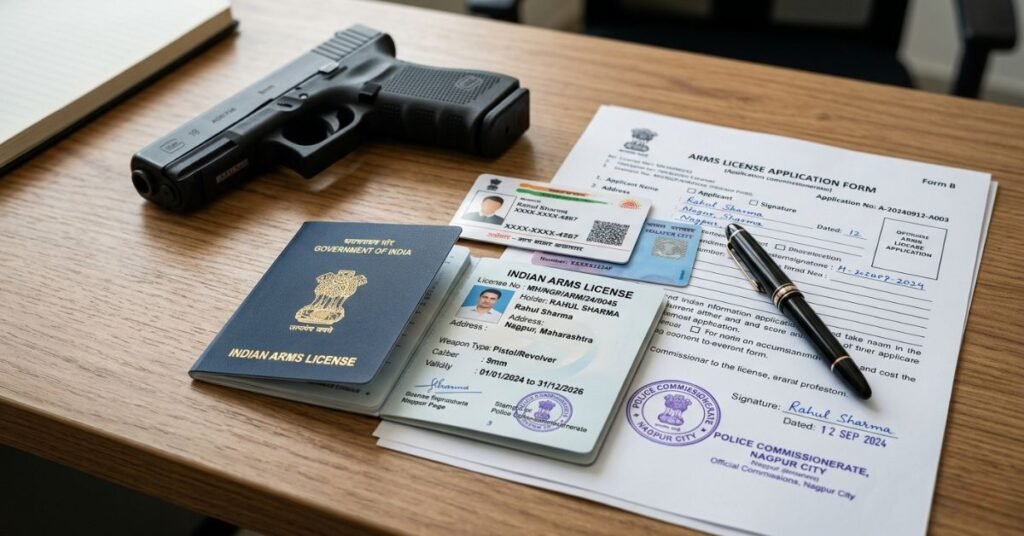
Summary: This guide is for individuals in Nashik who are considering applying for a gun license for valid reasons, such as personal safety or professional requirements, but want clear and reliable guidance before starting the process. The licensing process involves strict checks and careful evaluation, which is why understanding its purpose and value beforehand can help you avoid confusion, make better decisions, and approach your application with more clarity. Imagine being in a situation where your safety depends on how prepared you are. In Nashik, firearm ownership is not something that’s taken lightly. It’s strictly regulated, carefully evaluated, and granted only when there is a genuine and justified need. That’s what makes a gun license more than just a legal document; it becomes a symbol of responsibility, credibility, and preparedness. Not everyone qualifies, and that’s exactly what makes it valuable. Whether you’re dealing with security concerns, managing high-risk responsibilities, or living in areas where immediate help may not always be available, a legally approved firearm offers something more than protection; it offers lawful confidence backed by authority. Why Legal Gun Licensing Holds Real Value in Nashik 1. Verified Need, Not Just Ownership A gun license in Nashik is issued only after careful and detailed evaluation of your situation. Authorities examine your personal safety concerns, professional exposure, and living environment before considering approval Your application is reviewed to ensure there is a genuine and reasonable need, not just a preference for ownership Background verification helps confirm your intent, history, and credibility The approval itself becomes an official acknowledgment of your need for protection, not just permission This makes the license meaningful; it’s granted based on justification, not assumption. 2. You Stay Within a Strong Legal Framework Legal firearm ownership ensures you are protected within a structured and monitored system. The process includes police verification, background checks, and document validation to ensure transparency You are required to follow clear legal guidelines, renewal timelines, and usage conditions Your firearm and license remain traceable and legally recognized at all times Regular compliance helps you avoid unexpected legal complications during inspections or checks Being within the system gives you long-term legal security and peace of mind. 3. Legal Protection When It Matters Most In any situation involving a firearm, legality becomes the most important factor. A valid license helps establish that your possession is authorized and lawful In self-defense scenarios, it strengthens your position by showing legal intent and compliance Proper documentation reduces the risk of being misinterpreted as unlawful or negligent It ensures that your case is evaluated within a legal framework rather than suspicion In critical moments, being legally covered can significantly influence outcomes. 4. Essential for High-Risk Situations Certain individuals and professions naturally face higher exposure to risk. Useful for people handling cash transactions, valuables, or sensitive business operations Provides an added layer of safety in areas where immediate police response may not be quick Acts as a visible deterrent, reducing the likelihood of targeted threats Helps individuals feel more prepared and confident in unpredictable situations Preparedness is not just about action; it’s about reducing vulnerability. 5. Encourages Responsible and Disciplined Usage Legal ownership comes with strict responsibilities that promote safe handling. Requires following secure storage practices to prevent misuse or unauthorized access Includes clear rules on where, when, and how a firearm can be used Encourages a mindset of discipline, awareness, and accountability Reduces the chances of accidents, misuse, or legal violations These responsibilities are what make legal ownership safe and sustainable. 6. Simplifies Renewals and Future Processes Once you are part of the legal system, managing your firearm license becomes more structured and easier over time. Renewal procedures follow a clear and defined process, making them easier to complete on time You can update details like address, area validity, or license conditions without complications Maintaining a valid license helps you avoid penalties or legal risks due to expiry A consistent compliance record builds a smooth history with authorities Starting correctly ensures fewer complications and a more predictable process in the future. 7. Builds Credibility and Trust Legal firearm ownership reflects responsibility and strengthens how you are perceived in regulated environments. A valid license shows transparency and adherence to the law Helps you pass through official checks and verifications smoothly Positions you as a responsible and law-abiding individual Reduces the chances of being questioned or flagged unnecessarily Over time, this credibility becomes an advantage, ensuring your actions are viewed with trust rather than doubt. Who Should Consider Applying for a Gun License? In Nashik, a gun license is granted only when there is a specific, demonstrable need for self-defense or protection, and not for general safety or personal preference. Authorities assess whether the applicant faces a real and identifiable risk based on their circumstances. Individuals facing documented or ongoing threats to life or property, where police protection alone may not be sufficient Business owners or traders involved in regular handling or transportation of cash, bullion, jewellery, or other high-value goods Professionals whose work involves frequent travel, remote operations, or exposure to vulnerable environments Individuals residing in isolated locations or areas with limited immediate law enforcement accessibility The key consideration is whether the applicant can demonstrate a genuine, risk-based need supported by facts or circumstances, rather than a general desire for precaution. Eligibility Criteria for Gun License in Nashik Arms licenses in Nashik are granted under strict scrutiny, where both legal eligibility and the applicant’s necessity for self-defense are carefully evaluated by the licensing authority. The applicant must be legally permitted under the Indian Arms Act, 1959, and not fall under any category of prohibited persons Must be of sound mind and physically capable of safely handling and maintaining a firearm Should have no criminal background, pending serious cases, or adverse police records that may raise security concerns A clear and specific need for self-defense or protection must be demonstrated with reasonable justification The application is subject to detailed police verification, local inquiry, and character assessment by authorities Final approval is
Returning NRI Who Owned Weapons Abroad Are Now Applying For Gun License In Pune
Summary: Returning NRIs who owned firearms abroad often assume the process of getting a gun license in India will be straightforward but the reality is very different. Indian laws focus on eligibility, documentation, and verification rather than past ownership. This blog breaks down the complete process, key requirements, and common challenges to help you avoid delays. If you’re planning to apply, understanding the right approach from the start can significantly improve your chances of approval. When returning NRIs settle back in India after years abroad, many assume that prior legal firearm ownership will simplify getting a gun license here. In reality, the Indian licensing system follows a completely different framework one that prioritizes eligibility, documented need, police verification, and the discretion of the licensing authority over past ownership history. This creates a gap between expectation and reality, leaving many applicants unsure about where they stand or how to proceed correctly. This blog is designed to bridge that gap with a clear, compliance-first approach. It breaks down what returning NRIs, OCI holders, and families dealing with inherited firearms truly need to know from eligibility and documentation to common mistakes and practical next steps. Whether you’re exploring your options or preparing to apply, this guide will help you understand the process with clarity and confidence while avoiding costly delays or rejections. Why Returning NRIs Are Asking About Gun Licenses in India Many returning NRIs search for gun license information after settling back in India for a few practical reasons. Some want personal and family security. Others are entering business, real estate, or high-risk professions where they feel a licensed firearm may be relevant. In many families, the issue comes up because of inheritance, legacy property, or older firearms that were once used legally abroad. There is also a common misconception that a prior foreign license helps in India, which is rarely the case. The search intent behind this topic is usually not just legal. It is emotional, practical, and urgent. People want to know what is possible, what is allowed, what documents are needed, and how to avoid rejection. Can a Returning NRI Apply for a Gun License in India? Short answer: yes, in some situations, but the outcome depends on eligibility under Indian law. A returning NRI who is an Indian citizen can generally apply through the normal Indian licensing route once they establish residence in India and meet the required criteria. However, the licensing authority will still examine the application on its own merits. The key point is this: previous ownership abroad is background information, not automatic approval. For the authority, the main questions are: Is the applicant legally eligible? Is the application complete? Is the reason for the firearm credible? Does police verification support the claim? Are the documents consistent and verifiable? If the answer to any of these is weak, the case can be delayed or refused. NRI vs OCI vs Indian Citizen: What Changes in the Licensing Route? Important distinction: this is one of the most misunderstood parts of the process. Returning NRIs, OCI holders, and Indian residents may not be treated the same way. Their route can differ depending on citizenship, residence, and the purpose of the application. Returning NRI A returning NRI who is an Indian citizen may apply as a resident once settled in India. The process is still document-heavy and verification-based. OCI Applicant OCI applicants usually face stricter scrutiny. The exact position can depend on current rules, local authority practice, and the nature of the request. Many applicants in this category need careful case evaluation before filing. Indian Resident Applicant An Indian resident citizen generally follows the standard route, but approval is still based on necessity, verification, and local authority satisfaction. The better your status is documented, the smoother the process becomes. Confusion about category often causes application delays more than anything else. What Official Factors Matter Most in Approval? Summary: the authority wants clarity, credibility, and compliance. A gun license application is not assessed only on identity. The authority usually looks at several practical factors before deciding. These often include: The applicant’s legal status and address Background verification and police report The stated reason for needing a firearm Any history of criminal, civil, or security-related concerns Local conditions and jurisdiction-specific rules Completeness of the application and supporting documents A strong application does not try to sound dramatic. It sounds organized, honest, and well-supported. Documents Usually Required for an Application Tip: incomplete documents are one of the most common reasons applications get stuck. While requirements can vary by state and authority, a returning NRI usually needs a set of basic documents such as: Proof of identity Proof of Indian address Proof of citizenship or residency status Passport and immigration-related records Recent photographs Reason statement or justification for the firearm Income, business, or occupation proof if relevant Supporting documents for security concern, property, or inheritance cases Any medical or fitness-related documents required by the authority If any document contains a mismatch in name, address, or timeline, the application can slow down quickly. Step-by-Step Process to Apply for a Gun License in India Overview: follow the process in order, and do not skip steps. 1) Check eligibility First, confirm whether the applicant is eligible under current Indian rules. This matters especially for returning NRIs and OCI cases. 2) Prepare documents Collect all identity, residence, and supporting documents before filing. 3) Fill the application accurately The application should match all supporting records. Even minor mismatches can cause delays. 4) Submit the application through the official route Depending on the state and licensing system, the application is filed through the relevant official channel. typically via the NDAL-ALIS (National Database of Arms Licenses) portal. Applicants should ensure all details are correctly entered and documents are properly uploaded to avoid delays in processing. 5) Police verification This is one of the most important stages. The local verification report often influences the final decision. 6) Authority review The licensing authority reviews the application, reason, and verification inputs. 7) Decision
Why More Citizens Are Applying for Gun Licenses in Nashik
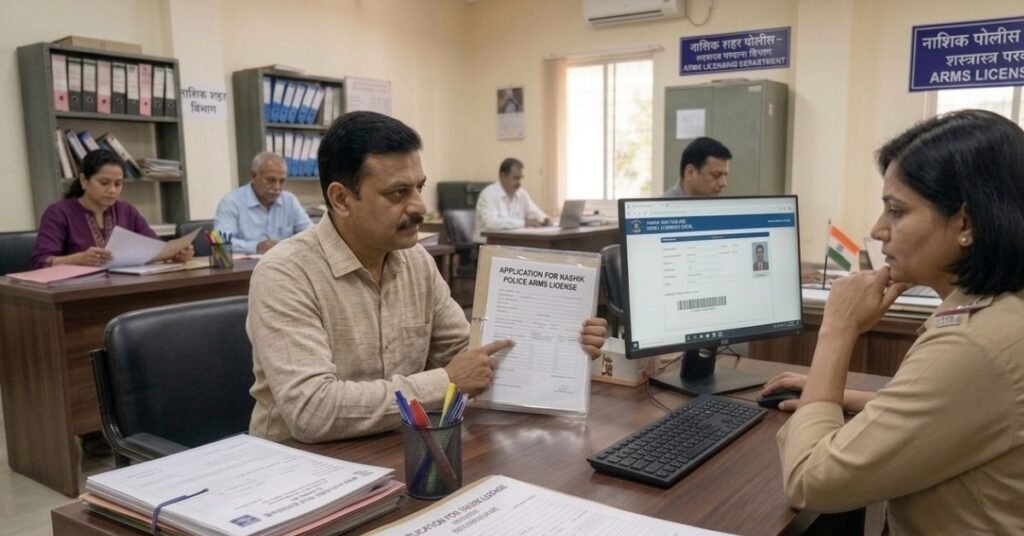
Summary: This blog highlights the rising number of gun license applications in Nashik due to increasing safety concerns. It reflects growing awareness about legal rights and the need for self-protection. From business owners to individuals facing risks, more people are considering lawful firearm ownership. It also explains key reasons behind this trend and how India Arms License simplifies the process. Once known for its calm and academic atmosphere, Nashik is rapidly transforming into a growing urban hub. With this expansion comes new opportunities, but also rising concerns around personal safety and security. As lifestyles change and the city becomes busier, many individuals are becoming more conscious about protecting themselves and their families in uncertain situations. Incidents like thefts and robberies, along with general safety awareness, are encouraging people to consider legal firearm ownership. At the same time, knowledge about rights under the Arms Act has improved. What once seemed difficult is now more accessible, thanks to better information and professional guidance. What Factors Are Driving The Demand For Gun Licenses In Nashik? Several key factors are contributing to the increasing number of applications: People are more conscious of personal security than ever before, and this awareness continues to grow with changing times. Whether it’s traveling late at night, commuting through less crowded areas, or managing valuable assets, safety has become a top priority. This shift in mindset encourages individuals to explore legal ways to protect themselves and their families. As the city expands, residential and commercial areas are growing rapidly, bringing both opportunities and new challenges. With this urban development comes a greater responsibility to safeguard property, businesses, and loved ones. The fast-paced lifestyle also increases the need for individuals to stay prepared for unexpected situations. Many business owners dealing with cash transactions, jewelry, or high-value goods often feel exposed to potential risks. The possibility of theft or robbery pushes them to consider additional layers of security. Having legal protection measures in place provides them with greater confidence while managing daily operations. At the same time, citizens are becoming more aware of their legal rights regarding firearm ownership. They now understand that obtaining a gun license is possible if they meet eligibility criteria and follow the proper process. This clarity has reduced hesitation and encouraged more responsible applications. Access to professional guidance has further simplified the process for applicants. Experts like India Arms License help individuals understand requirements, prepare accurate documentation, and avoid common mistakes. This support makes the entire journey smoother, faster, and more approachable for those considering applying. How Has Awareness About Legal Gun Ownership Increased? One of the biggest reasons behind the rising trend is awareness. Earlier, misinformation and fear discouraged people from applying. Today, things have changed significantly. Online platforms, legal advisors, and consultants provide clear insights into eligibility, documentation, and procedures. Citizens now know that: Gun licenses are issued for valid reasons The process is structured and transparent Proper documentation increases approval chances This clarity removes hesitation and encourages responsible applications. Who Should Consider Applying For A Gun License In Nashik? Not everyone needs a firearm, but certain individuals may have valid reasons to apply: Individuals Facing Personal Threats Those facing credible threats or ongoing safety concerns may consider a gun license as a responsible step. It helps enhance personal security and preparedness while staying within legal limits. Business Owners Handling Valuables Business owners dealing with cash or high-value goods face higher risks of theft or robbery. A gun license can add an extra layer of protection and boost confidence during operations. Frequent Travelers Or Late-Night Workers People who travel alone or work late hours often feel vulnerable in isolated situations. A licensed firearm can provide a sense of safety and better preparedness. Residents In Isolated Areas Living in outskirts or less populated areas may limit quick access to help. In such cases, self-defense measures become important for personal and family safety. Professionals With High-Risk Profiles Certain professions involve higher exposure to risk and unpredictable situations. A gun license can help ensure safety while managing professional responsibilities confidently. Understanding Government regulations for firearm ownership in India and the current gun law in India is essential for anyone planning to apply for a gun license, as it helps ensure full legal compliance and a smooth approval process. What Challenges Do Applicants Face Without Proper Guidance? While awareness has increased, the process itself still requires careful attention. Many applicants face difficulties due to: Incomplete Documentation Missing or incorrect documents can lead to delays or rejection. Even a single overlooked detail can cause the entire application to be put on hold or sent back for corrections. Weak Justification Authorities require a strong and valid reason for issuing a license. Poor explanation reduces approval chances and may fail to convince officials about the necessity of approval. Lack Of Understanding Of Legal Requirements Applicants may not fully understand eligibility criteria or local authority expectations. This confusion can result in submitting applications that do not meet basic legal standards. Delays In Verification Police verification and background checks can take time if not handled properly. Any mismatch in information or lack of clarity can further extend the verification process. Application Errors Even small mistakes in forms can result in unnecessary complications. Errors in personal details or documentation can lead to repeated revisions and wasted time. This is where professional consultants play a crucial role. What Is The Legal Process For Applying For A Gun License In Nashik? The process involves multiple steps and requires patience, accuracy, and proper documentation at every stage. Step 1: Application Submission – The process begins with submitting your application through the official government portal or the local licensing authority. It is important to fill in all details correctly and ensure that the information provided is complete and accurate to avoid initial rejection or delays. Step 2: Document Verification – Once the application is submitted, authorities review all required documents such as identity proof, address proof, and other supporting papers. Any missing or incorrect document at